Paper Making & Paper Molds
- artonthefarmllc

- Jan 15
- 1 min read
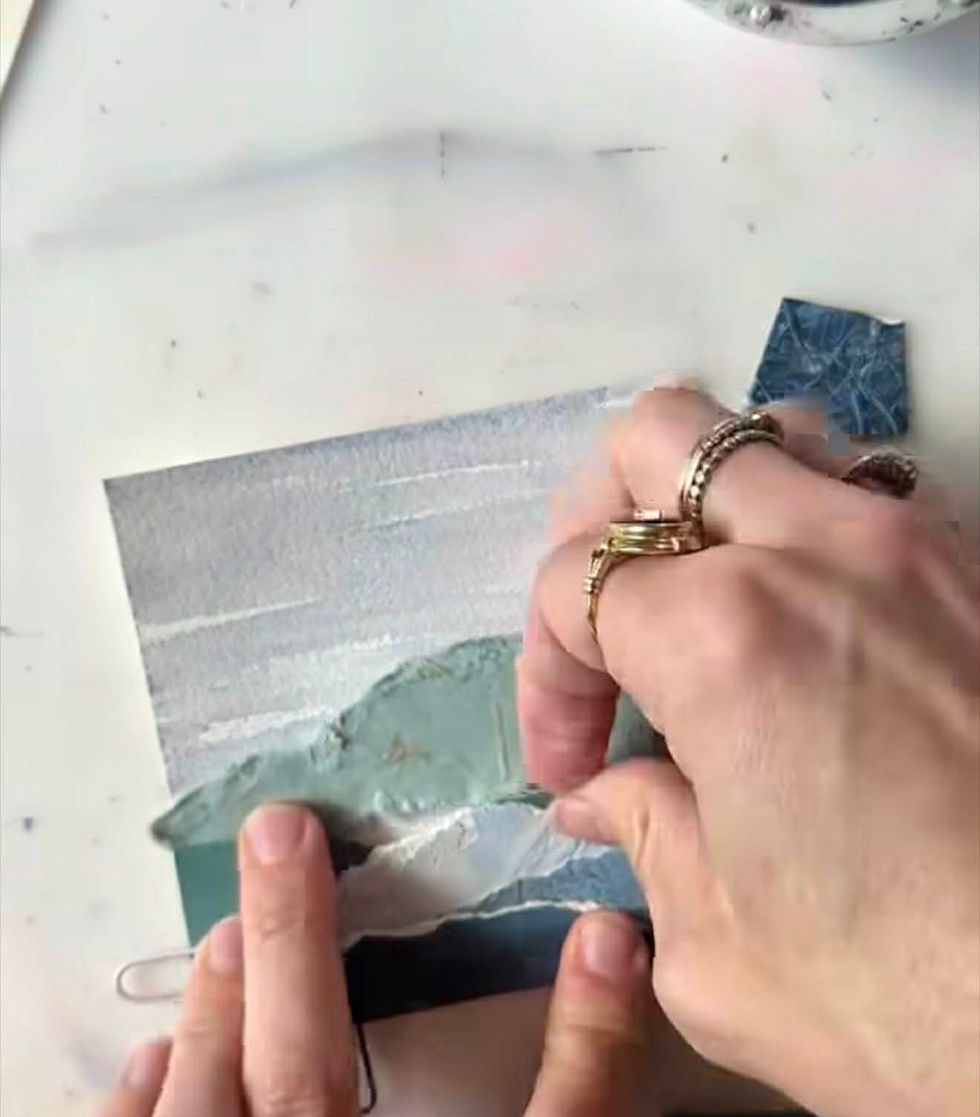
Paper Making
Paper making is a process that involves transforming raw materials into sheets of paper. This craft can be done on both an industrial scale and in small, artisanal settings. The basic steps of paper making include:
Preparation of Raw Materials: Common materials include wood pulp, recycled paper, or plant fibers.
Pulping: The raw materials are broken down into a slurry of fibers, often using water and mechanical processes.
Sheet Formation: The pulp is spread out on a flat surface or a screen to allow water to drain, forming a sheet.
Pressing: The wet sheet is pressed to remove excess water and to bond the fibers together.
Drying: The pressed sheets are dried, usually in a drying machine or by air drying.
Finishing: The dried paper may undergo additional processes such as cutting, coating, or printing.
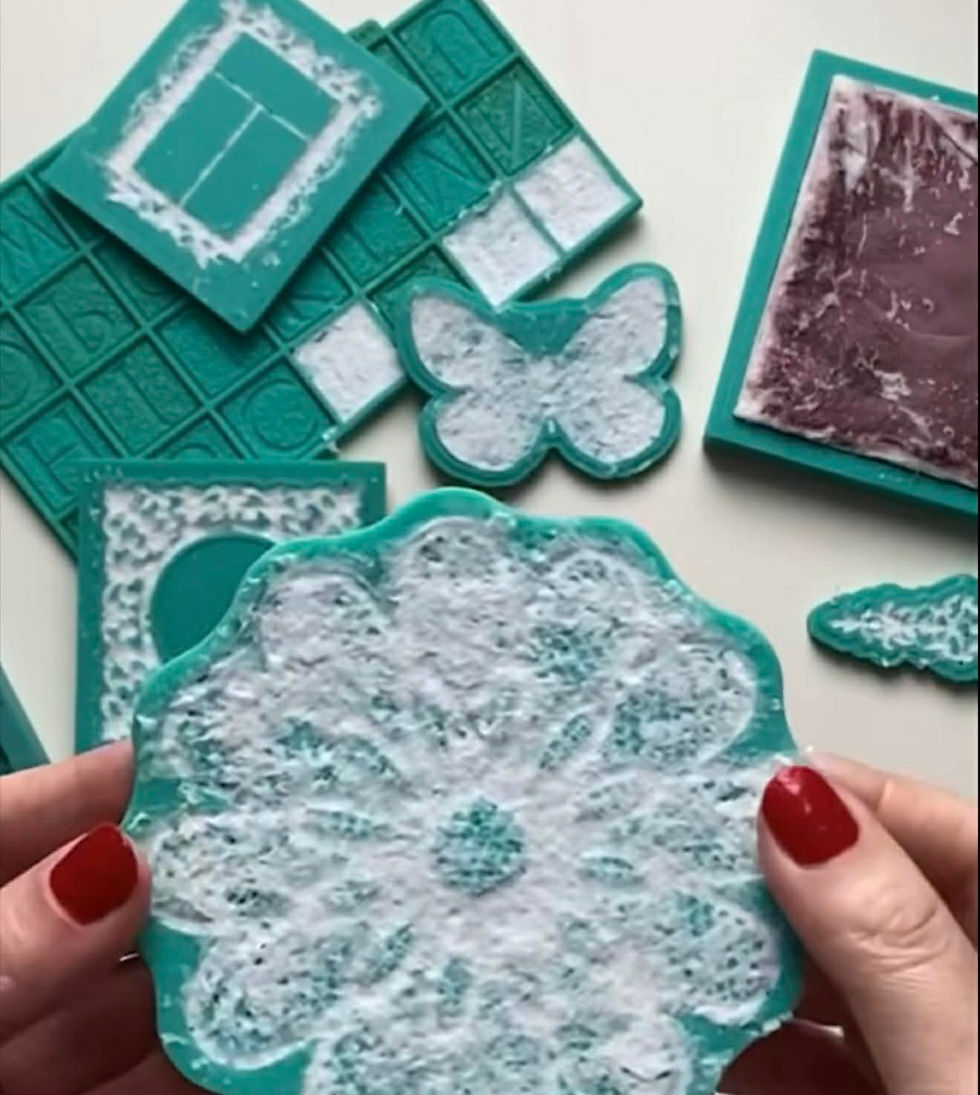
Paper Molds
Paper molds are tools used in the paper-making process to shape the wet pulp into sheets. They come in various designs and sizes, depending on the desired thickness and texture of the paper. Key aspects of paper molds include:
Material: Molds can be made from wood, metal, or plastic, with screens that allow water to drain.
Design: Molds can have different patterns or textures that will imprint on the paper.
Size: Molds can vary in size to create different paper dimensions.
Usage: Molds are typically used in the initial sheet formation stage of paper making.
Understanding the paper making process and the role of molds is essential for anyone interested in crafting paper, whether for artistic purposes or practical applications.


Comments