Drawing Techniques & Proportions of the Face
- artonthefarmllc

- Jan 15
- 1 min read

Drawing Techniques for the Face
1. Basic Shapes
Start by breaking down the face into basic geometric shapes. This helps in establishing proportions and layout.
2. Guidelines
Use light guidelines to map out the facial features. Draw a vertical line down the center and a horizontal line for the eye level.
3. Sketching Features
Eyes: Place them on the eye line, typically one eye's width apart.
Nose: The bottom of the nose usually aligns with the bottom of the ears.
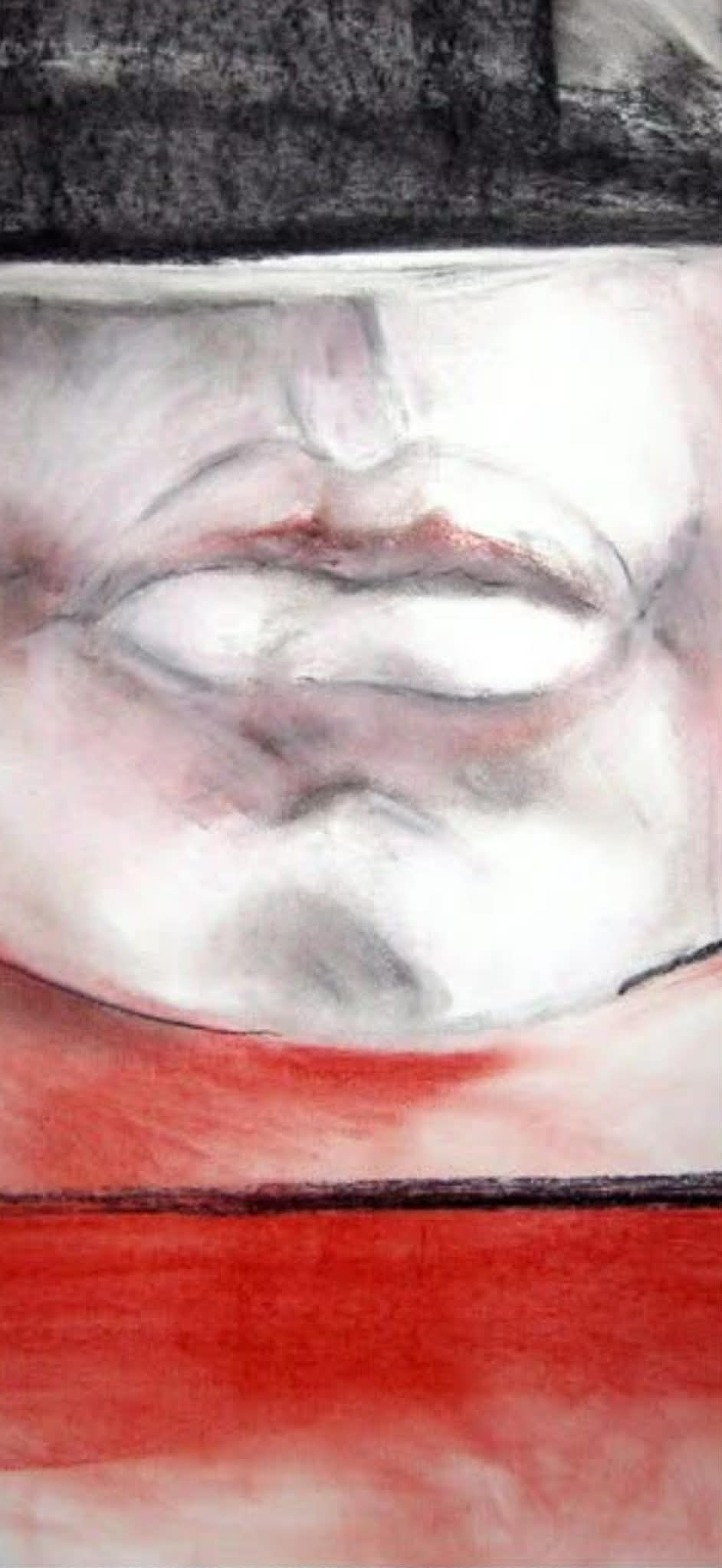
Mouth: The mouth is generally positioned halfway between the nose and the chin.
4. Shading Techniques
Use hatching, cross-hatching, or blending to add depth and dimension to the face.
5. Texturing
Incorporate textures for skin, hair, and other features to enhance realism.
Proportions of the Face
1. General Proportions
The face is typically five eyes wide.
The height of the face is usually divided into thirds: hairline to eyebrows, eyebrows to nose, and nose to chin.
2. Eye Placement
The eyes are positioned at the halfway point of the head's height.
3. Nose Width
The width of the nose is generally equal to the distance between the eyes.
4. Mouth Width
The mouth width often aligns with the center of the eyes.
5. Ears
The top of the ears typically aligns with the eyebrows, and the bottom aligns with the nose.
Practice Tips
Study references: Use photographs or real-life models to observe proportions.
Practice regularly: Consistency helps in mastering facial features.
Experiment with angles: Draw faces from different perspectives to understand depth.


Comments