Mastering Life Drawing Techniques for Aspiring Artists
- artonthefarmllc

- Jan 12
- 3 min read
Life drawing is a fundamental skill for artists who want to capture the human form with accuracy and expression. It challenges you to observe closely, understand anatomy, and translate what you see into compelling artwork. Whether you are a beginner or looking to refine your skills, mastering life drawing techniques can elevate your art to new levels.
This post explores practical approaches to life drawing, offering clear guidance and examples to help you build confidence and skill.

Understanding the Basics of Life Drawing
Life drawing involves sketching the human figure from a live model. Unlike drawing from photos, it requires quick observation and capturing the essence of the pose in real time. This practice improves your ability to see proportions, gesture, and form.
Key Elements to Focus On
Gesture: The overall movement and flow of the pose. Capturing gesture helps your drawing feel alive.
Proportion: The relative size of body parts to each other. Accurate proportions prevent distortions.
Anatomy: Knowing the underlying muscles and bones helps you depict realistic shapes.
Light and Shadow: Observing how light falls on the body adds depth and volume.
Start with quick sketches to warm up and focus on gesture. These can be as short as 30 seconds to 2 minutes. Then move to longer poses where you can refine details.

Tools and Materials for Life Drawing
You don’t need expensive supplies to get started. Here are some essentials:
Pencils: A range from 2H (hard) to 6B (soft) allows for different line qualities.
Charcoal: Great for expressive lines and shading.
Eraser: Kneaded erasers work well for subtle corrections.
Paper: Choose a medium texture that holds pencil or charcoal well.
Sketchbook or loose sheets: For practice and experimentation.
Experiment with different tools to find what feels comfortable. Some artists prefer charcoal for its boldness, while others like pencil for precision.

Techniques to Improve Your Life Drawing
1. Start with Gesture Drawing
Gesture drawing captures the action and posture of the model quickly. Focus on:
Flowing lines that show movement
Avoiding details at this stage
Using loose, confident strokes
Try drawing the model in 1- to 5-minute poses. This trains your eye to see the whole figure and improves speed.
2. Block in Basic Shapes
Break down the body into simple shapes like ovals, cylinders, and boxes. This helps you understand volume and perspective.
Use light lines to sketch these shapes
Check proportions between shapes
Adjust before adding details
For example, the torso can be an oval, the arms cylinders, and the pelvis a box. This method simplifies complex anatomy.

3. Focus on Proportions
Use the head as a unit of measurement. The average adult figure is about 7 to 8 heads tall.
Measure distances between joints
Compare lengths of limbs
Use sighting techniques (holding pencil at arm’s length)
Correct proportions make your figure believable and balanced.
4. Observe Anatomy
Learn the major muscle groups and bone landmarks. This knowledge helps you draw:
Muscle shapes under the skin
How muscles change with movement
Joint connections and limits
You don’t need to memorize every detail but understanding key structures improves accuracy.
5. Use Light and Shadow
Shading adds volume and depth. Observe where light hits the body and where shadows fall.
Identify the light source
Shade gradually from light to dark
Use cross-hatching or blending techniques
This technique makes your drawing three-dimensional and realistic.

Common Challenges and How to Overcome Them
Difficulty Capturing Gesture
If your drawings feel stiff, focus on quick sketches and exaggerate the movement. Use sweeping lines and avoid getting stuck on details early.
Proportion Errors
Check your measurements often. Step back from your drawing to see it from a distance. Use a mirror or photograph your work to spot mistakes.
Overworking Details
Avoid spending too much time on one area. Balance your drawing by developing the whole figure evenly.
Fear of Mistakes
Mistakes are part of learning. Use them to improve rather than get discouraged. Keep a sketchbook for practice without pressure.
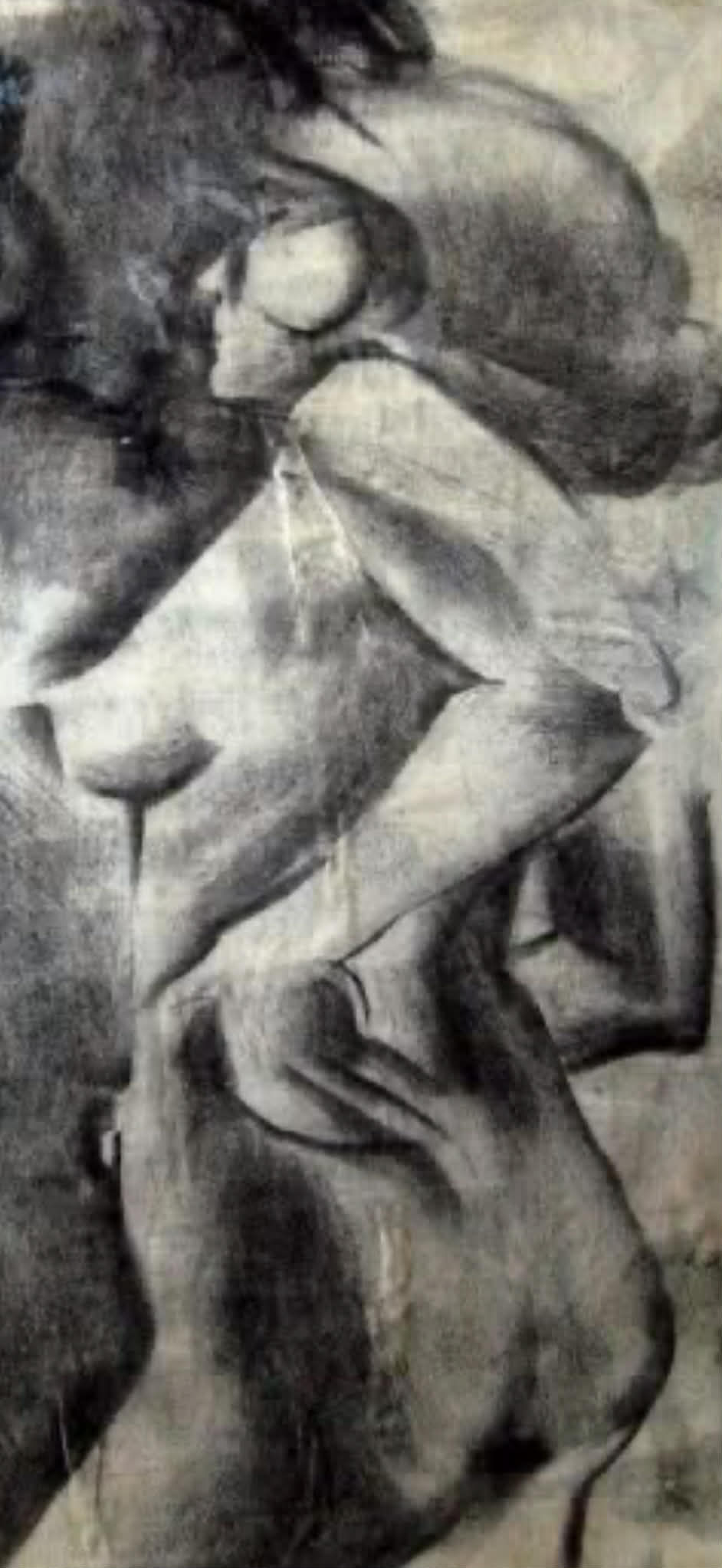
Practicing Life Drawing Regularly
Consistency is key to improvement. Here are some tips:
Attend life drawing sessions or classes
Practice at home using online model videos
Set timed drawing challenges
Review and compare your progress over time
Even short daily sessions build muscle memory and observation skills.
Using Life Drawing to Enhance Other Art Forms
Life drawing skills benefit many art styles:
Portraits: Understanding anatomy improves facial accuracy.
Character design: Realistic poses make characters believable.
Animation: Gesture drawing helps create fluid movement.
Sculpture: Knowledge of form aids three-dimensional work.
Mastering life drawing builds a strong foundation for any artistic pursuit involving the human figure.


Comments